Our Lane Neave team helps New Zealand businesses navigate the legal opportunities and risks created by AI and emerging technologies.
How we can help



Using AI with confidence
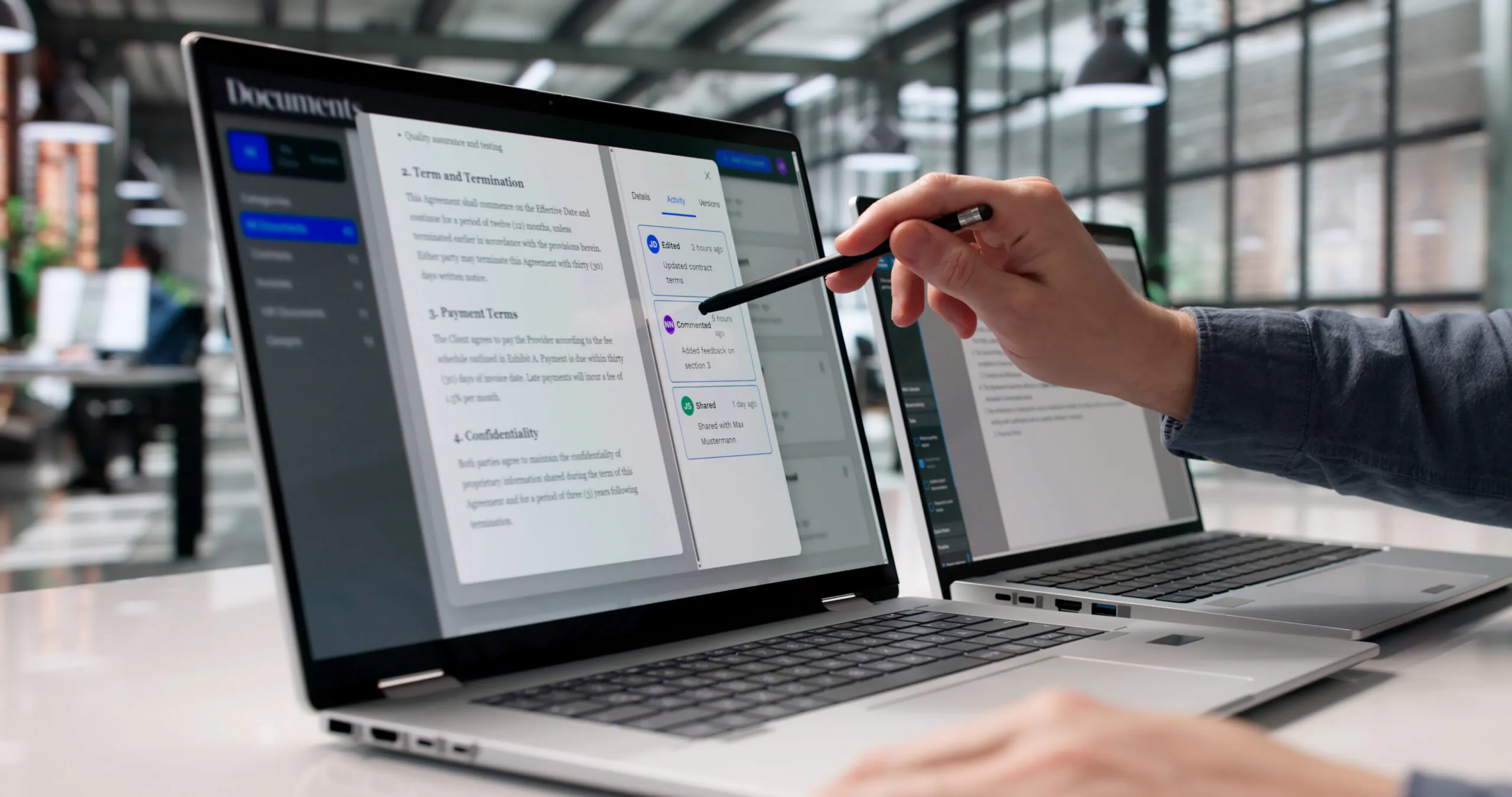
AI can create opportunities across your organisation, but it can also introduce new legal and business risks. Taking a considered approach to AI use, privacy, cybersecurity, intellectual property and your people can help you make the most of the technology while putting appropriate safeguards in place.
-
1
Govern
AI use, policies and oversight
-
2
Protect
Privacy, data and confidential information
-
3
Secure
Cybersecurity and data breach preparedness
-
4
Review
Human oversight and AI-generated decisions
-
5
Safeguard
Intellectual property and AI-generated content
AI rarely sits within just one area of law.
As its use grows across your organisation, questions can arise around your people, data, intellectual property, contracts and regulatory obligations. When needed, we can bring together specialists from across Lane Neave to provide the right expertise.
- AI governance and responsible use
- Privacy and data protection
- Cybersecurity and data breaches
- Employment and workplace AI
- Intellectual property


Questions about AI and cybersecurity?
As AI becomes more widely used in the workplace, new questions are emerging around privacy, data, governance, employment and intellectual property. Our FAQs cover some of the key legal considerations for New Zealand businesses.
What should a business do if it experiences a cyberattack or data breach?
Who owns content created using AI?
What legal risks arise from using AI in the workplace?
Does my New Zealand business need an AI policy?
Cyber incidents can raise legal, privacy, commercial and reputational issues, and the appropriate response will depend on what has happened and the information or systems affected.
Having a clear response plan before an incident occurs can help a business understand who needs to be involved and what legal or regulatory obligations may need to be considered. Lane Neave’s existing AI and cybersecurity material identifies Data Breach Response Plans, AI-use policies and staff training as important safeguards for businesses.
The ownership of AI-generated or AI-assisted content can be complex. Issues may arise around copyright, authorship, employment agreements, confidential information and the terms applying to the particular AI platform.
For businesses, it is worth considering these issues before AI-generated content becomes commercially valuable or is widely used. The question can become particularly complicated when employees use workplace information or resources to create content, products or services using AI.
The legal risks can include privacy and confidentiality breaches, inaccurate or biased outputs, intellectual property issues, cybersecurity vulnerabilities and problems arising from the use of AI in employment decisions.
AI-generated content should not be treated as automatically accurate or suitable for use. Businesses should define when human review is required and ensure the reviewer has enough knowledge and authority to question the output. This is particularly important when AI influences recruitment, performance assessment, pay reviews, investigations or disciplinary decisions.
While each organisation’s requirements will differ, a workplace AI policy can help establish clear expectations for how employees and contractors use AI tools. It should identify approved tools and permitted uses, explain what information must not be entered into AI systems, and set requirements for checking AI-generated work.
The policy should work alongside your employment agreements and existing privacy, cybersecurity, acceptable-use and confidentiality policies. Staff training and regular reviews are also important, as AI tools and the associated risks continue to change. Current New Zealand guidance recommends keeping a short list of approved tools and giving staff a clear process to follow if something goes wrong.
Let’s talk about what’s next
Navigate AI with confidence
AI and cybersecurity risks are evolving quickly. Get practical legal advice to help your organisation manage risk, protect what matters and make confident decisions.
We Make The Complex Simple
Ka Huri Te Mahi Whīwhiwhi Ana Ki Te Mahi Māmā